Strata Property Act — Section 94

Depreciation reports
that hold up at
the AGM.

A depreciation report is only as good as the inspection behind it. We send a multi-disciplined team of engineers to look at your building, not one generalist with a clipboard. Reports delivered with a council presentation, BC-wide.

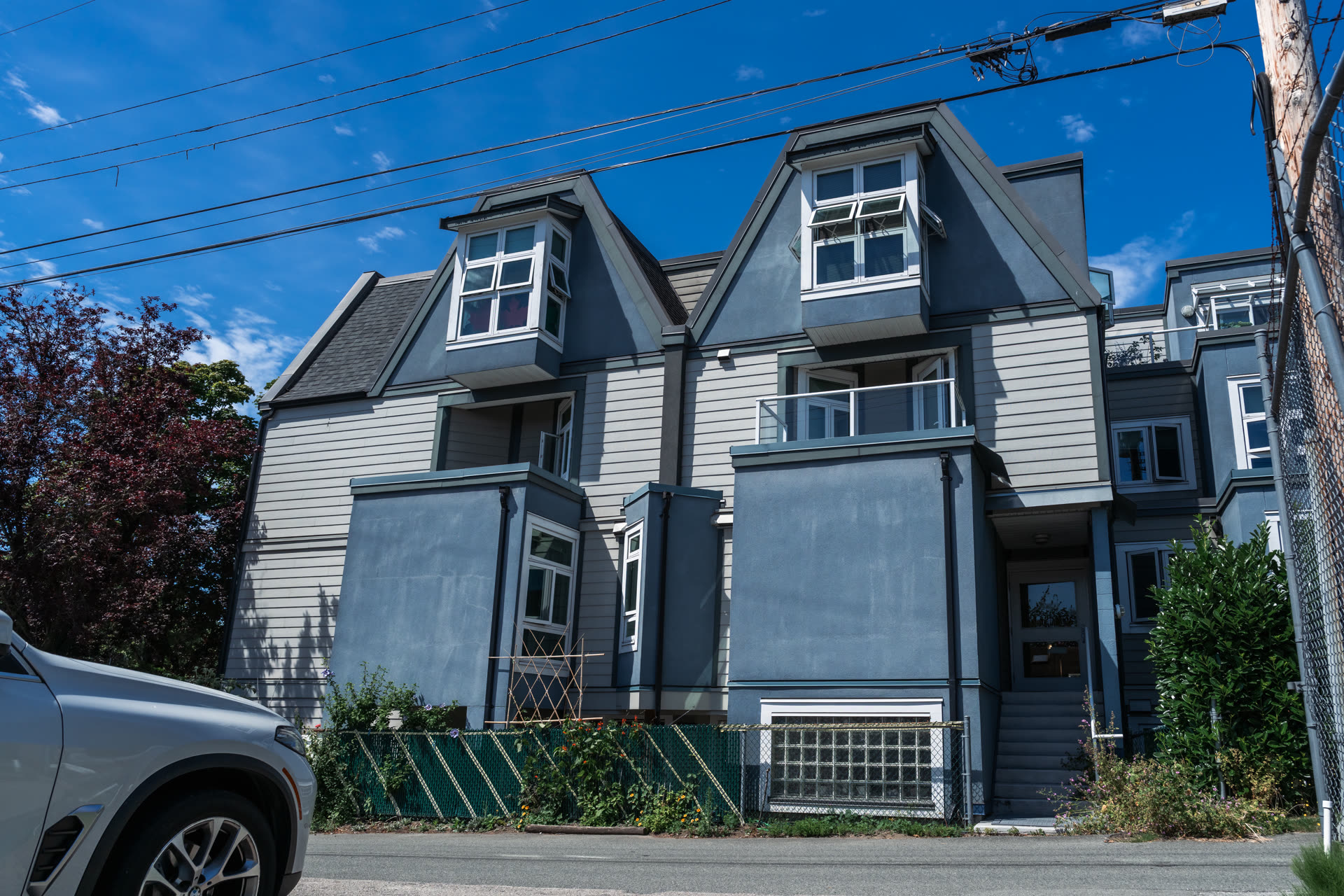
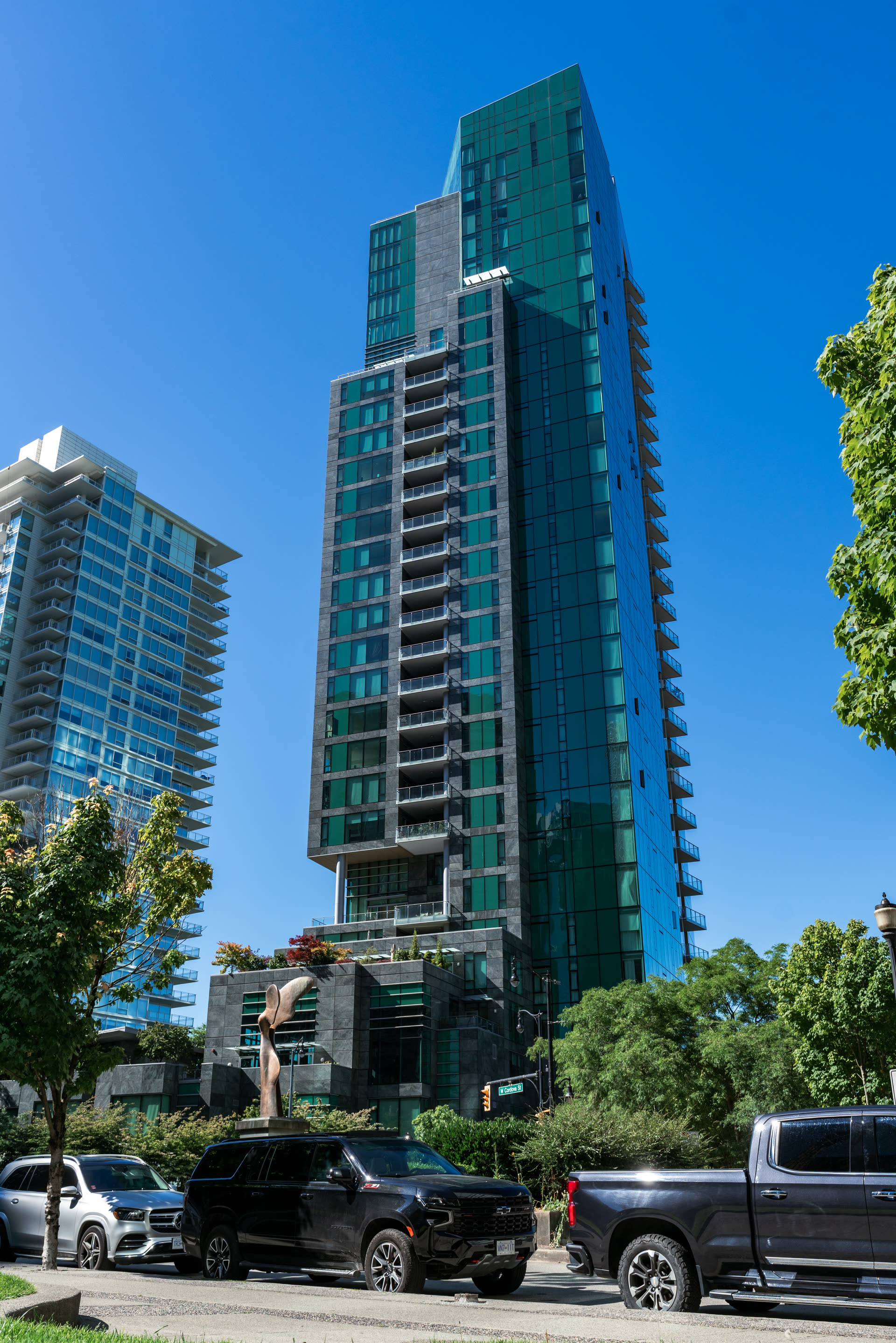
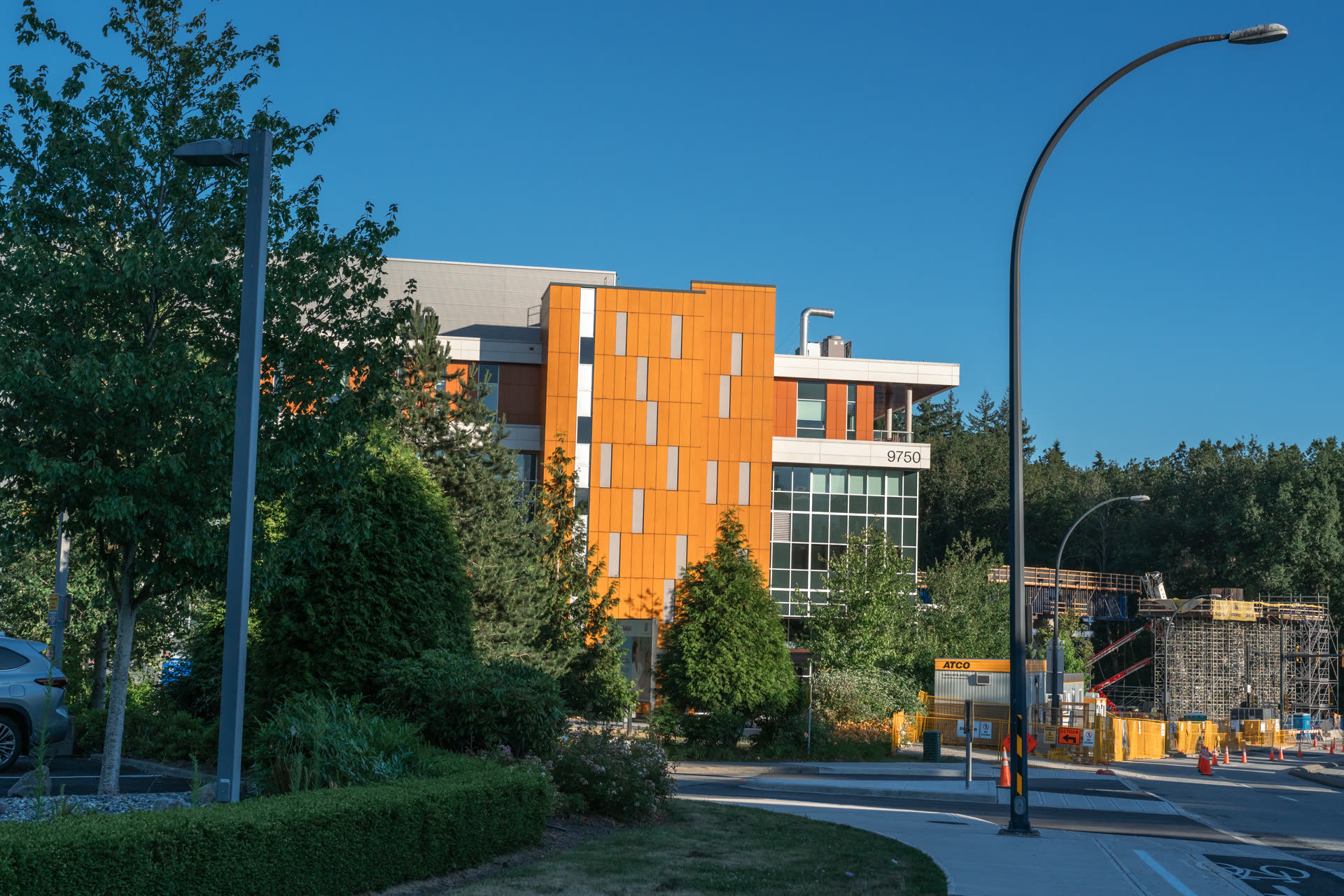
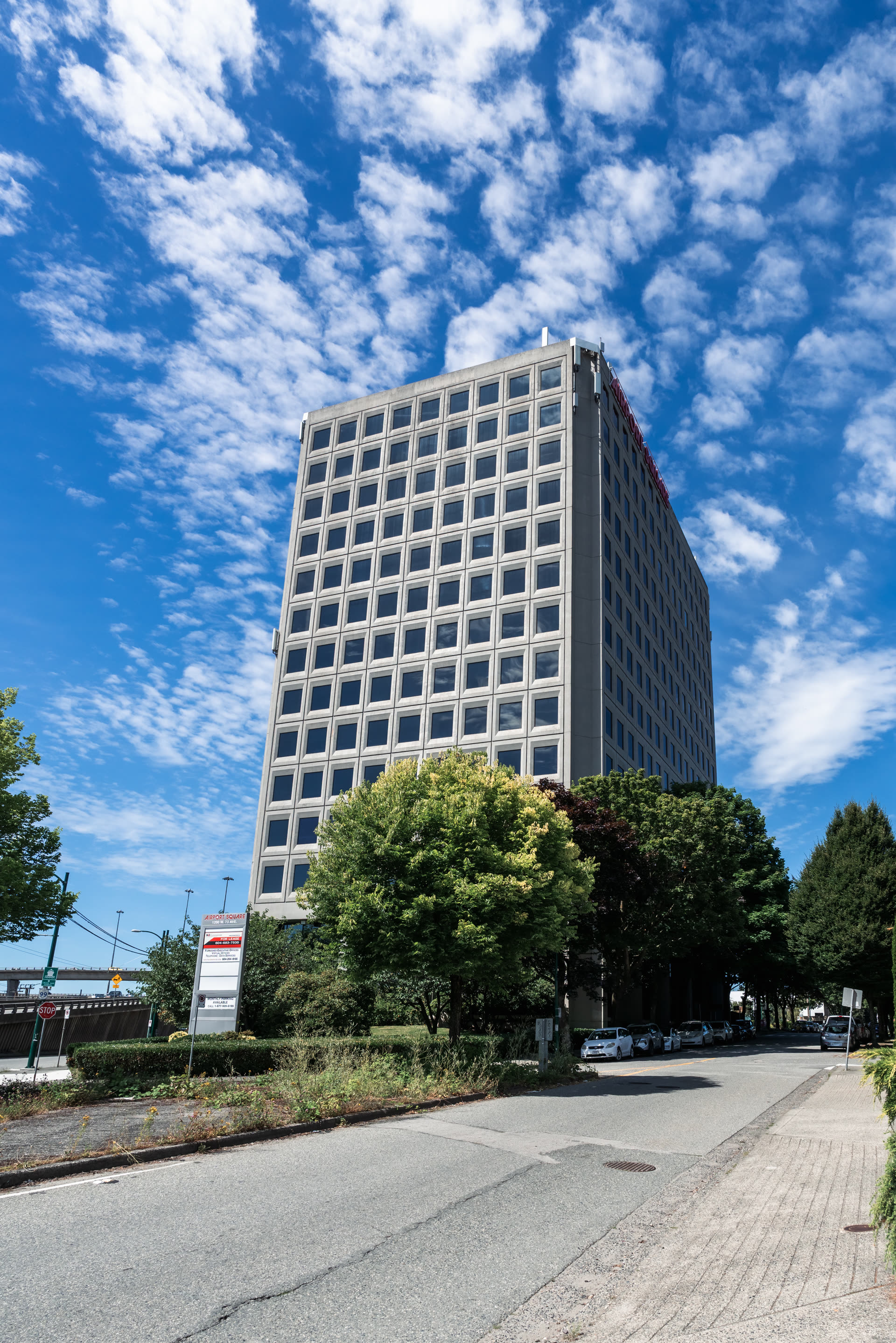
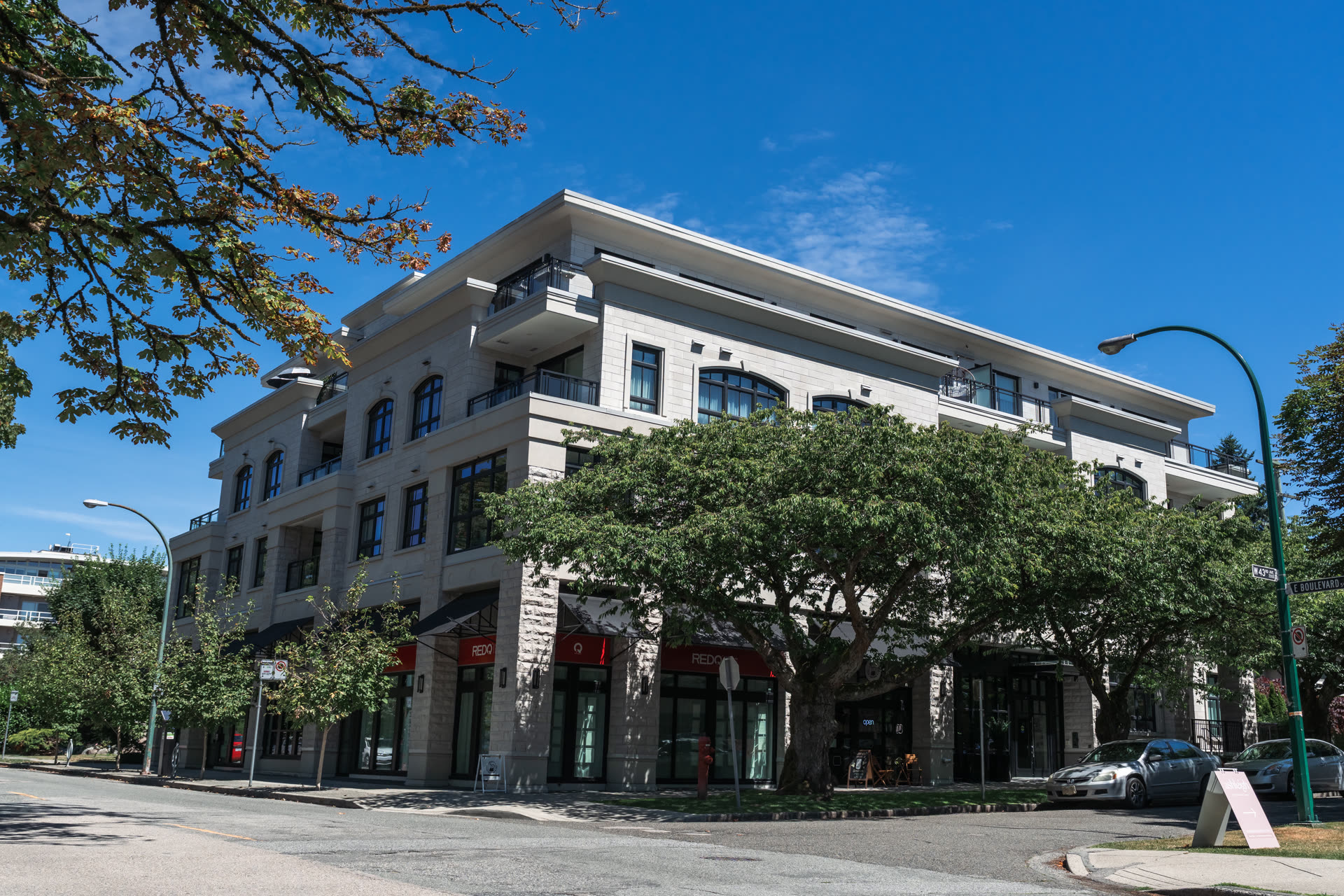
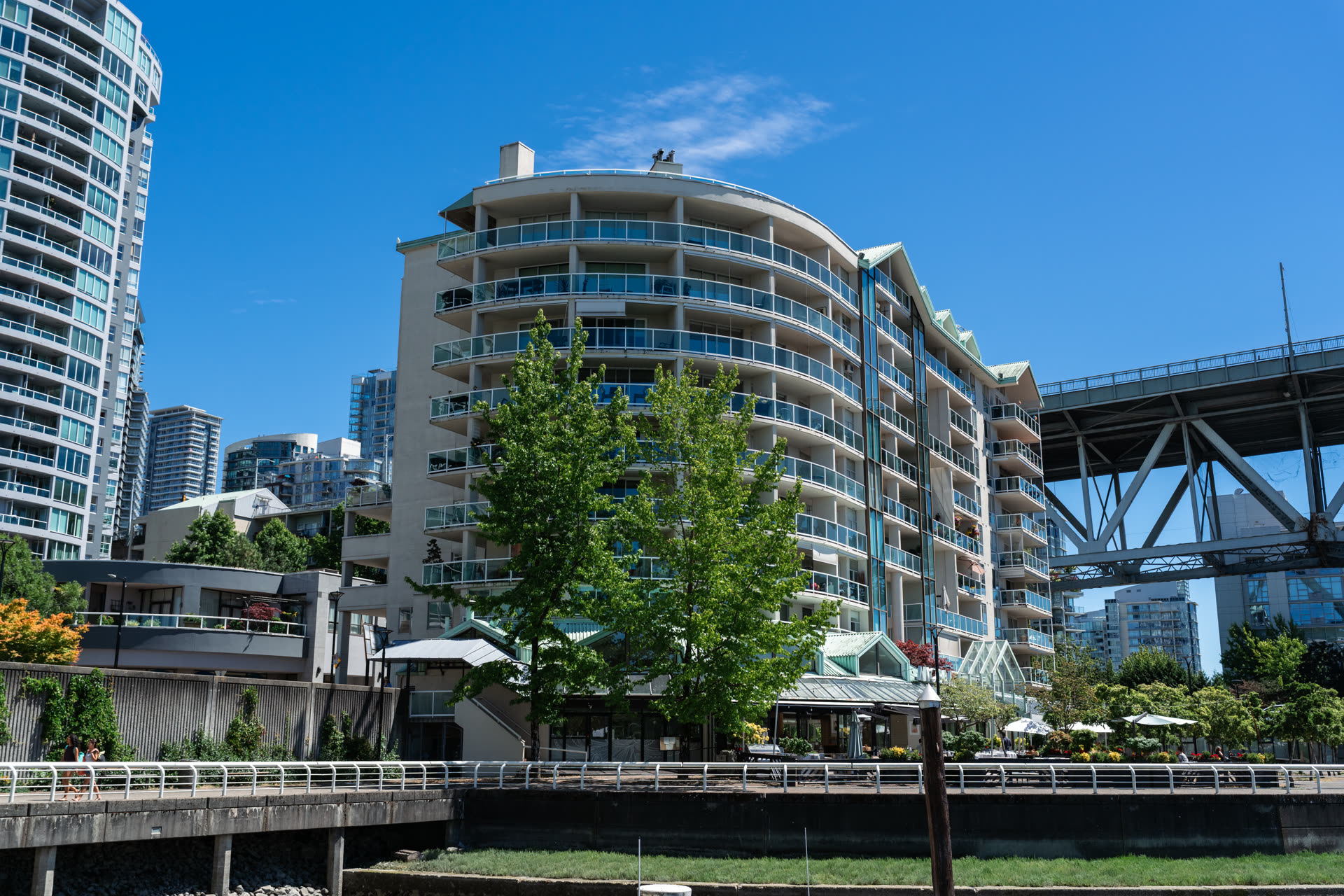
The Admiralty, multi-family residential Greenshields, multi-family residential D.W. Housing Co-op, multi-family residential
Recent work — Section 94 reports filed BC-wide
Seals across five disciplines — one firm, one proposal
Building science Structural Mechanical & HVAC Electrical Geotechnical EGBC member firm $2M general liability Reporting since 2012 Building science Structural Mechanical & HVAC Electrical Geotechnical EGBC member firm $2M general liability Reporting since 2012

The legal backdrop

What the Strata Property Act
actually requires.

01

Required by Section 94

Since 2013, the BC Strata Property Act has required most strata corporations to obtain a depreciation report. The Strata Property Regulation sets the scope and format. Skipping it leaves your council exposed at AGMs and at resale.

02

Refreshed every five years

A new or updated report is due every five years. Councils can waive it with a 3/4 vote, but buyers, lenders and insurers increasingly expect a current report. Waiving has a cost that does not show up on the budget line.

03

Thirty-year horizon

Reports project common-property repair and replacement costs across a thirty-year window, tied to a funding model for the contingency reserve fund. Done well, it keeps the CRF topped up and makes special levies predictable.

Scope of deliverables

What's in a Strata Engineering report.

A depreciation report is part inspection, part inventory, part financial model. We build each section around your building, not a template, and the final document is used by your council for the next five years of budgeting.

  • Full component inventory across envelope, structural, mechanical, electrical and geotechnical
  • On-site condition assessment for every major component
  • Remaining useful life projections backed by engineering judgement, not lookup tables
  • 30-year contingency reserve fund financial model with three funding scenarios
  • Recommended annual contributions to keep the CRF on track
  • Special levy flagging where major components converge
  • Photographic documentation the council can reference for years
  • Live council presentation and Q&A included with every report
Multi-family residential building Strata Engineering has reported on
Fig. 02 Section 94 report filed — BC-wide

From first call to council meeting

How the process actually runs.

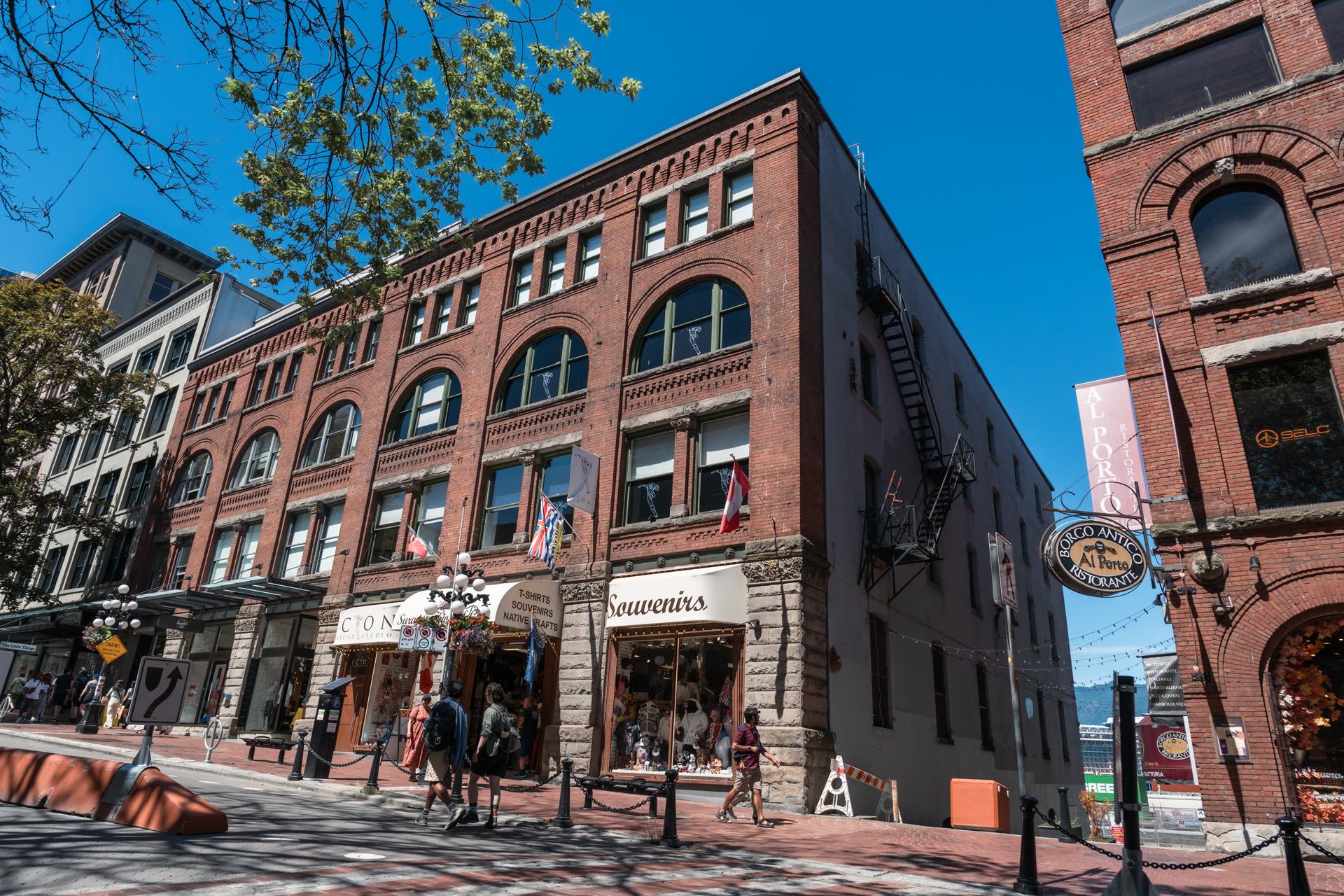
Multi-family residential building under engineering review How we work
01/ 04
Step 01

Scoping call

Short call to understand the building, the council's concerns, and any prior report. We confirm the scope and timeline before anyone sends paperwork back and forth.

Step 02

On-site inspection

Multi-disciplined walk-through. Envelope, structural, mechanical, electrical and geotechnical eyes on the building, not one generalist trying to score every component.

Step 03

Condition and financial model

Service life, repair and replacement costs mapped over thirty years. CRF model built from your actual reserve balance, contribution history, and projected contributions.

Step 04

Delivery and council presentation

Full written report, handed over with a live council presentation. We answer questions in the room and stay available for follow-up as the council plans around it.

Fig. 01

Why this matters

One person should not sign off on a thirty-year outlook for your building.

The Act lets architects, appraisers and solo engineers all sign a thirty-year report, and most firms stretch that to keep costs low. We put an engineer with direct expertise on every component, envelope to geotechnical, so the numbers your council votes on came from the right specialist.

Already have a report?

Update or rebuild. We'll tell you which.

Two paths if you have a prior depreciation report. We pull it during the scoping call and give you a straight answer.

Update

Lower cost, shorter timeline. Works when the prior report is reasonably sound and the building has not seen major changes. We re-inspect, adjust service lives, and refresh the thirty-year model.

Full rebuild

Normal scope. Works when the prior report was generic, missed components, or predates significant envelope or mechanical work. Starts clean, from inventory up.

What property managers say

Booked by referral, manager to manager.

"The team at Strata Engineering have worked tirelessly on a number of projects I've assigned to them to deliver the best possible results. Their knowledge and professionalism have encouraged me to refer them to my peers and use them regularly."
Anders BeiermiesterProperty Manager
"I have always trusted Strata Engineering to handle the engineering needs of my portfolio; everything from general questions to major projects. I highly recommend them to anyone who wants confident solutions to their needs."
Charlotte LeungProperty Manager
"Strata Engineering has always gone above and beyond when I have engaged their services. They are both accommodating to client schedules and leave no question unanswered, leaving me and my strata with peace of mind."
Megan GossProperty Manager

FAQ

Questions we hear on the first call.

If yours is not covered, ask us. We will answer on the phone before anyone sends a proposal.

Our last report was prepared by another firm. Do we have to start over?

No. We pull the prior report during the scoping call and tell you whether an update or a full rebuild makes sense. Updates run at a lower cost when the baseline is sound.

How long does the council presentation take?

Usually one council meeting, forty-five to ninety minutes depending on the size of the building and how many questions the council has queued up. We stay available for follow-up after.

Can we combine the depreciation report with a 2-5-10 warranty review?

Yes. New-build strata corporations often pair them. We send the right engineers for each scope and bundle the site visits to keep disruption to residents low.

What if our property is outside the Greater Vancouver area?

Our Kelowna office serves the Okanagan to cover the Okanagan. We travel BC-wide and regularly take on properties on Vancouver Island and in the interior. Travel is scoped transparently on the proposal.

Do you use a standardized depreciation software?

We use internal financial models built by our team, not a template. The CRF projection is informed by the engineers who actually inspected the building, not a library of generic service lives.

How are special levies reflected in the thirty-year plan?

The model flags years where major components are projected to converge, so the council can see special levy risk early and decide whether to pre-fund through the CRF or plan for a levy.

Is a depreciation report waivable for smaller strata corporations?

Most strata corporations with five or more units fall under the requirement. Councils can waive the renewal with a 3/4 vote every three years, but buyers and lenders increasingly expect a current report on file.

Can the report be used for refinancing or insurance?

Yes. Lenders and insurers regularly request the most recent depreciation report. A clear, current report makes those conversations significantly faster.
Next step

Every five years your council
needs a report they can trust.

Start with a twenty-minute scoping call. A qualified engineer learns the building and returns a clear proposal — turnaround scales with the depth of the report.