Electrical Planning Reports
Helping your building
plan ahead with
electrical planning reports.
BC Hydro requires a sealed electrical planning report before approving capacity upgrades for EV charging, heat pump conversion, or increased service. We prepare the report, coordinate the submission, and get your application moving.
What this report answers
Three questions, one EGBC-sealed answer.
The Strata Property Act does not mandate this report. BC Hydro does. Any application that adds demand to the building's service connection triggers the same set of questions. We answer them in one document.
Can we install EV charging without a service upgrade?
The most common question in BC right now. Whether the strata wants two Level 2 stalls or two hundred, BC Hydro needs a report that models the incremental load and shows the upgrade path for the building's service. We model peak demand from the proposed charger count, factor in managed-load controls, and deliver a sealed report that moves BC Hydro's review from months to weeks.
Most common triggerWill the building support heat pump electrification?
Strata corporations switching from gas boilers or in-suite gas furnaces to heat pumps add significant electrical load per unit. BC Hydro will not approve the service upgrade without a report showing the full building load after electrification.
Are we already at capacity for the next ten years?
Aging buildings often hit capacity before EV or heat pump conversations start. New commercial tenants, upgraded common area lighting, or parkade ventilation redesigns can each push a building past its existing service limit and trigger the same requirement.
Scope of deliverables
The report follows the current.
From BC Hydro's point of supply, up the main service riser, out to every load the building runs today and every one the council wants to add. The single line below draws the whole scope. The report is an engineering document, not a cost estimate.
- SK·01
Existing service assessment existing
Available capacity, panel condition, and meter base. We start from what the building already runs before we add a single amp.
- SK·02
Demand load calculations + load
Calculated demand for the proposed additions, EV, heat pump, and general, sized to BC Hydro's method.
- SK·03
Load flow analysis flow
Flow traced across the distribution system all the way back to BC Hydro's point of supply, so nothing is undersized mid-run.
- SK·04
Service upgrade options 100–400A
100A, 200A, or 400A+ recommendations with a staging plan, so the council can phase the work against its budget.
- SK·05
Managed load control EV bus
Managed-load analysis for EV infrastructure that reduces the upgrade scope where the building allows it.
- SK·06
BC Hydro coordination sealed
We coordinate the technical application, deliver the EGBC-sealed report for BC Hydro and permit submission, and brief the council on findings and the upgrade timeline.
Service sizing at a glance
What the upgrade path actually looks like.
Most strata buildings in BC were built at 100A or 200A service. EV charging and heat pump electrification typically require a 200A or 400A upgrade. We find the path that costs less than the maximum.
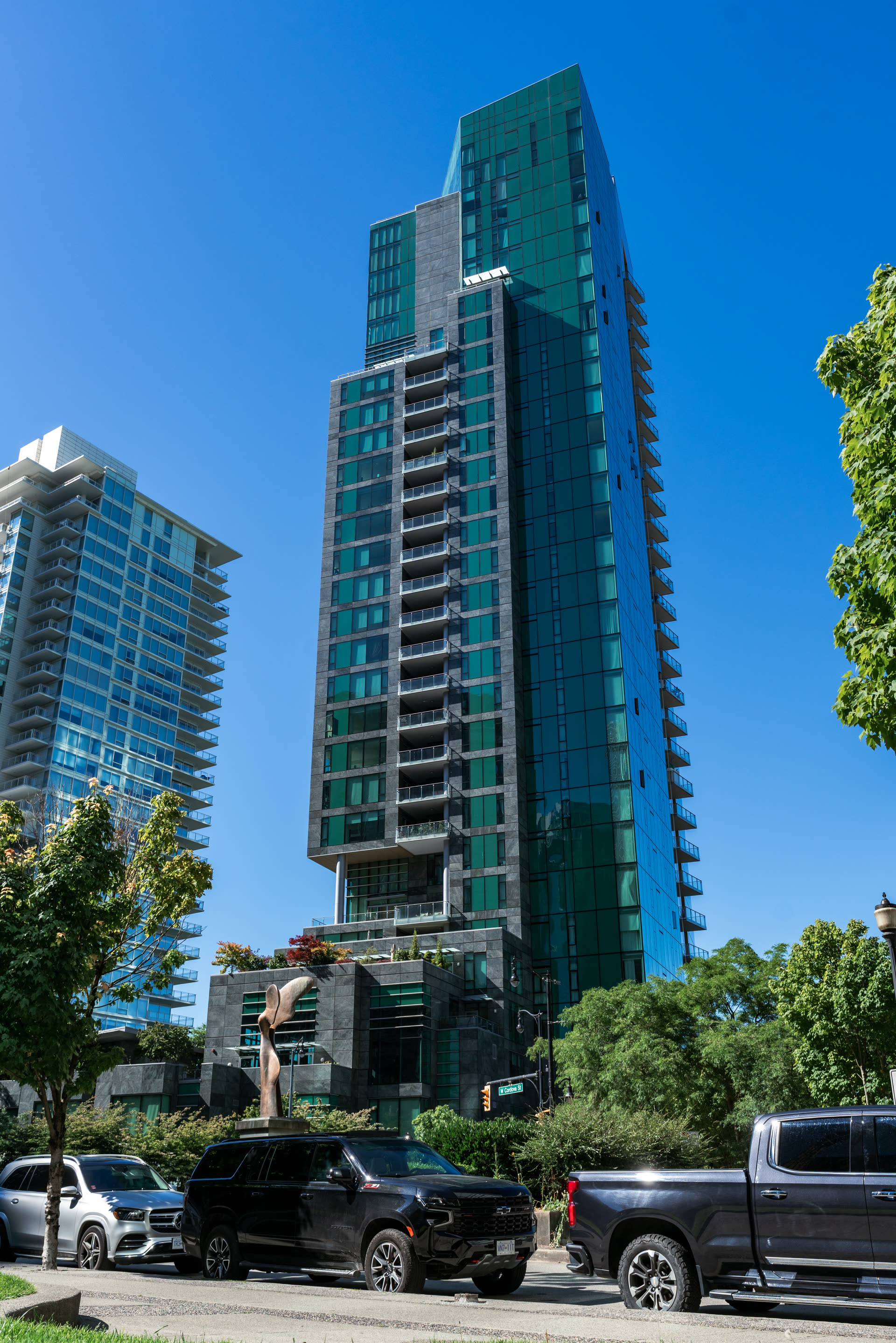
From first call to BC Hydro submission
How the report gets done.
Four steps, in order, each on the record. No surprises between the scoping call and the sealed delivery.
Scoping callIntake · SK-00
We learn the building, the proposed additions, and what BC Hydro application is already in flight. Existing drawings and utility bills go a long way. We confirm scope before the proposal is sent.
Site assessmentField · SK-01
Our electrical engineer inspects the main service entrance, metering, distribution panels, and any existing branch circuits relevant to the proposed scope. We photograph, measure, and log.
Load calculations and reportAnalysis · SK-02-05
Demand load analysis for the proposed additions, load flow through the distribution system, upgrade path options and costs. Report formatted to BC Hydro's submission requirements.
Sealed delivery and submissionSeal · SK-06
EGBC-sealed report delivered to your council. We coordinate with your BC Hydro representative on submission and respond to any technical review questions that come back.
The coordination piece most reports miss
An electrical report that accounts for everything already running in your building.
Strata Engineering does electrical planning alongside the mechanical and building science disciplines that share the same electrical budget. We flag the interactions before BC Hydro finds them, and we size the upgrade once instead of twice.
What property managers say
Booked by referral, manager to manager.
"The team at Strata Engineering have worked tirelessly on a number of projects I've assigned to them to deliver the best possible results. Their knowledge and professionalism have encouraged me to refer them to my peers and use them regularly."
"I have always trusted Strata Engineering to handle the engineering needs of my portfolio; everything from general questions to major projects. I highly recommend them to anyone who wants confident solutions to their needs."
"Strata Engineering has always gone above and beyond when I have engaged their services. They are both accommodating to client schedules and leave no question unanswered, leaving me and my strata with peace of mind."
FAQ
Questions from the first call.
If yours is not here, ask us. We answer on the phone before anyone sends a proposal.
Does every EV charging installation require this report?
If the installation requires a BC Hydro service upgrade or a new secondary transformer, yes. Buildings with spare capacity occasionally get through on a standard permit application. We review the existing service during the scoping call and tell you which path applies before you pay for anything.
Can we stage the report for Phase 1 chargers now and Phase 2 later?
Yes, and this is usually the right call. We model the full build-out capacity in the report so the service upgrade is sized once for the long-term plan, not twice. Phase 2 then installs without another BC Hydro application.
How long does BC Hydro take to review a completed application?
Typically 6 to 12 weeks from the date a complete application is submitted. Incomplete submissions restart the clock. A well-prepared report — formatted to BC Hydro's technical standards — reduces back-and-forth significantly.
Our building is switching from gas to heat pumps. Do we need a report for every unit?
No. One building-wide report covers the full electrification scope. We model the aggregate demand increase across all units being converted and size the service upgrade accordingly.
What existing documents do you need from the strata?
The most useful starting point is the existing electrical single-line diagram, recent utility bills showing peak demand, and any BC Hydro correspondence already on file. We can work with less — some buildings have none of this — but these documents speed the assessment up.
Can you handle the BC Hydro application on our behalf?
We prepare the technical documentation and coordinate with BC Hydro's technical review team. The formal application is submitted through the strata's BC Hydro account, but we handle the engineering correspondence throughout.
Related
Explore the rest of Strata Engineering.
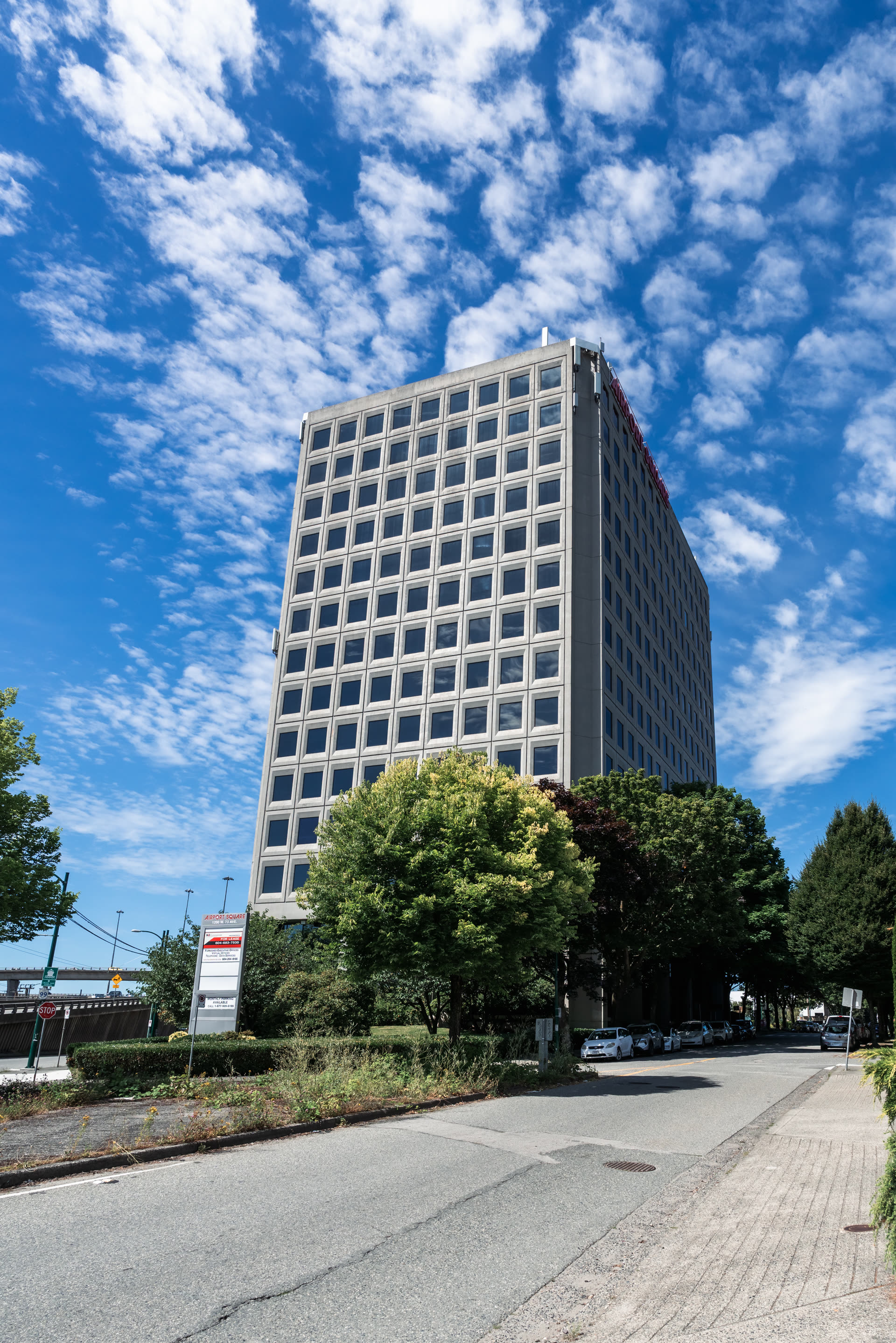
Existing buildings
See the full ten-service menu for existing strata properties: depreciation reports, warranty reviews, envelope, structural, parkade, energy.
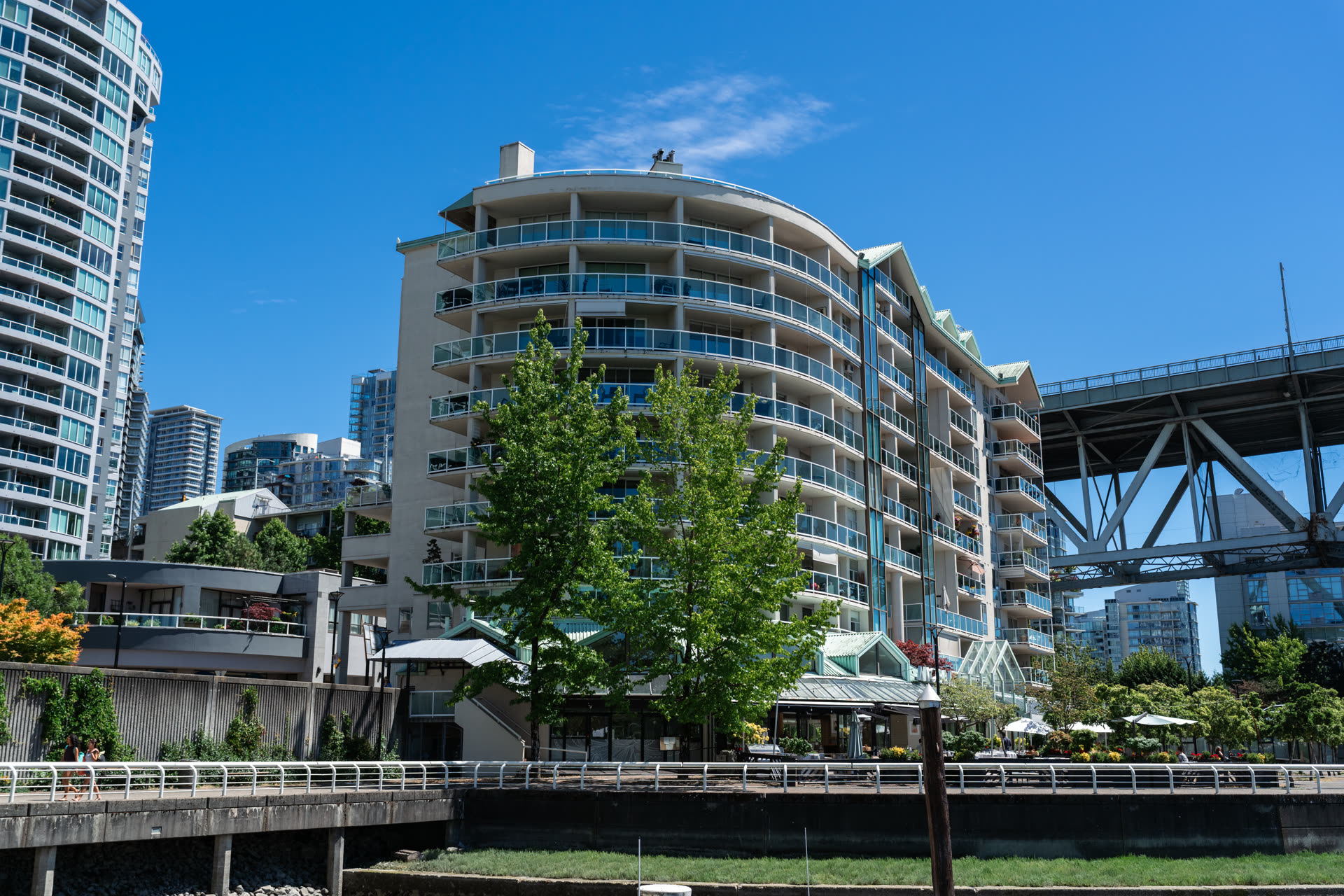
Depreciation reports
Section 94-compliant depreciation reports prepared by a multi-disciplined team. Required every five years under the BC Strata Property Act.
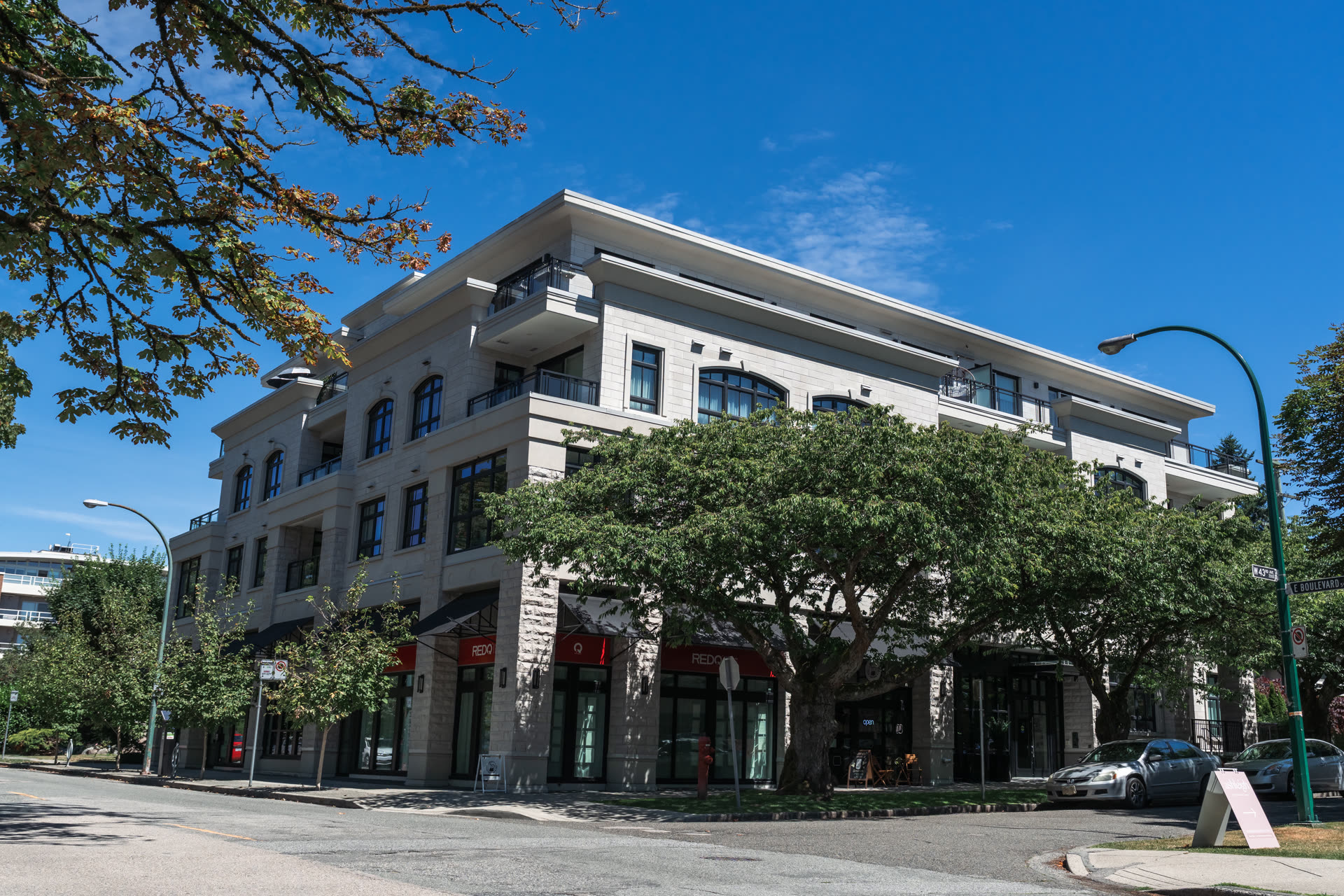
Vancouver & Lower Mainland
Fourteen years filing reports across Metro Vancouver. Fastest turnaround from the head office.
Next step
BC Hydro won't approve the upgrade without this report.
Start with a twenty-minute scoping call. We review the existing service, confirm whether a report is required, and return a clear proposal before anyone commits to anything.