Brief the problem
A short call or email describing what you are seeing: where, when it started, and any photos you have. We confirm the right discipline and book the site visit, typically within a week.
Strata Engineering — First step
A preliminary investigation is the lowest-cost entry point in engineering. One qualified engineer, on site, looking at the right thing. You get a written answer, not a guess, before your council votes on a repair budget.
What one site visit surfaces
Six signals we hear on the first call
Most councils sit on a problem too long before calling an engineer. The investigation costs a fraction of what the repair costs when the problem has had another year to develop. An investigation finds the source, not just the symptom, which is the only way to know whether you need a $2,000 sealant repair or a $200,000 envelope remediation.
Scope of deliverables
A preliminary investigation is not a full condition assessment. It is a targeted look at a specific problem, written up clearly enough that your council can make a decision and your contractor can price a repair without guessing.
What comes next
Most investigations resolve cleanly into one of two paths. We tell you which applies before you commission any further work.
The investigation identified the defect, confirmed its extent, and produced enough documentation for a contractor to price the repair. Your council puts the work out to tender, selects a contractor, and the investigation report becomes the brief.
See full service menuSome problems require invasive testing, moisture mapping, or a full condition assessment before a repair scope can be set with confidence. We tell you this at the investigation stage, before you spend money on a repair that addresses the symptom and not the cause.
Condition assessmentsFrom call to report
A short call or email describing what you are seeing: where, when it started, and any photos you have. We confirm the right discipline and book the site visit, typically within a week.
The relevant engineer attends. Envelope for water issues, structural for cracks and movement, mechanical for HVAC or plumbing failures. We bring the tools specific to the defect type.
Cause, extent, severity, repair recommendation, and EGBC seal. Plain language, not an engineering thesis, so your council reads it and contractors quote from it.
We tell you whether to go straight to tender, commission further investigation, or hold for now. No upsell. If the problem does not require more engineering, we say so.

Why the first step matters
The most expensive repairs we see are ones where a contractor was hired before the problem was understood, so the patch holds and the root cause keeps going. A preliminary investigation costs a fraction of a repair and tells you what you are actually dealing with, which is the only way to write a repair scope that works.
What property managers say
"The team at Strata Engineering have worked tirelessly on a number of projects I've assigned to them to deliver the best possible results. Their knowledge and professionalism have encouraged me to refer them to my peers and use them regularly."
"I have always trusted Strata Engineering to handle the engineering needs of my portfolio; everything from general questions to major projects. I highly recommend them to anyone who wants confident solutions to their needs."
"Strata Engineering has always gone above and beyond when I have engaged their services. They are both accommodating to client schedules and leave no question unanswered, leaving me and my strata with peace of mind."
FAQ
If yours is not here, ask us. We answer on the phone before anyone sends a proposal.
Most preliminary investigations start from $1,750 and scale with building size and access complexity. We give you a fixed-fee number on the proposal, no hourly billing that grows with the problem. Call us with a description of what you're seeing and we'll quote the same day.
Typically within five to seven business days from booking. For urgent situations, structural concerns, active water ingress, or insurance timelines, we can usually prioritise faster. Tell us when you call and we'll be straight with you about availability.
Yes. Many of our preliminary investigations are on buildings less than ten years old, often related to warranty claims or defects the developer disputes. The investigation provides an independent engineering record before any warranty window closes.
Yes. Every report is EGBC sealed, which makes it defensible at the Civil Resolution Tribunal, in insurance claims, and in disputes with builders or warranty providers. We write reports to be used, not just filed.
We report what we find. If the investigation reveals a problem beyond the original scope, a crack that suggests deeper structural movement, or water that's tracked further than expected, we flag it in the report and recommend the next step. You decide whether to proceed, with a clear picture of what you're looking at.
Often yes. If a site visit is already scheduled for another scope, a depreciation report or warranty review, adding an investigation for a known concern saves on mobilisation. Tell us what else is on the go and we'll tell you if it can be combined.
Related
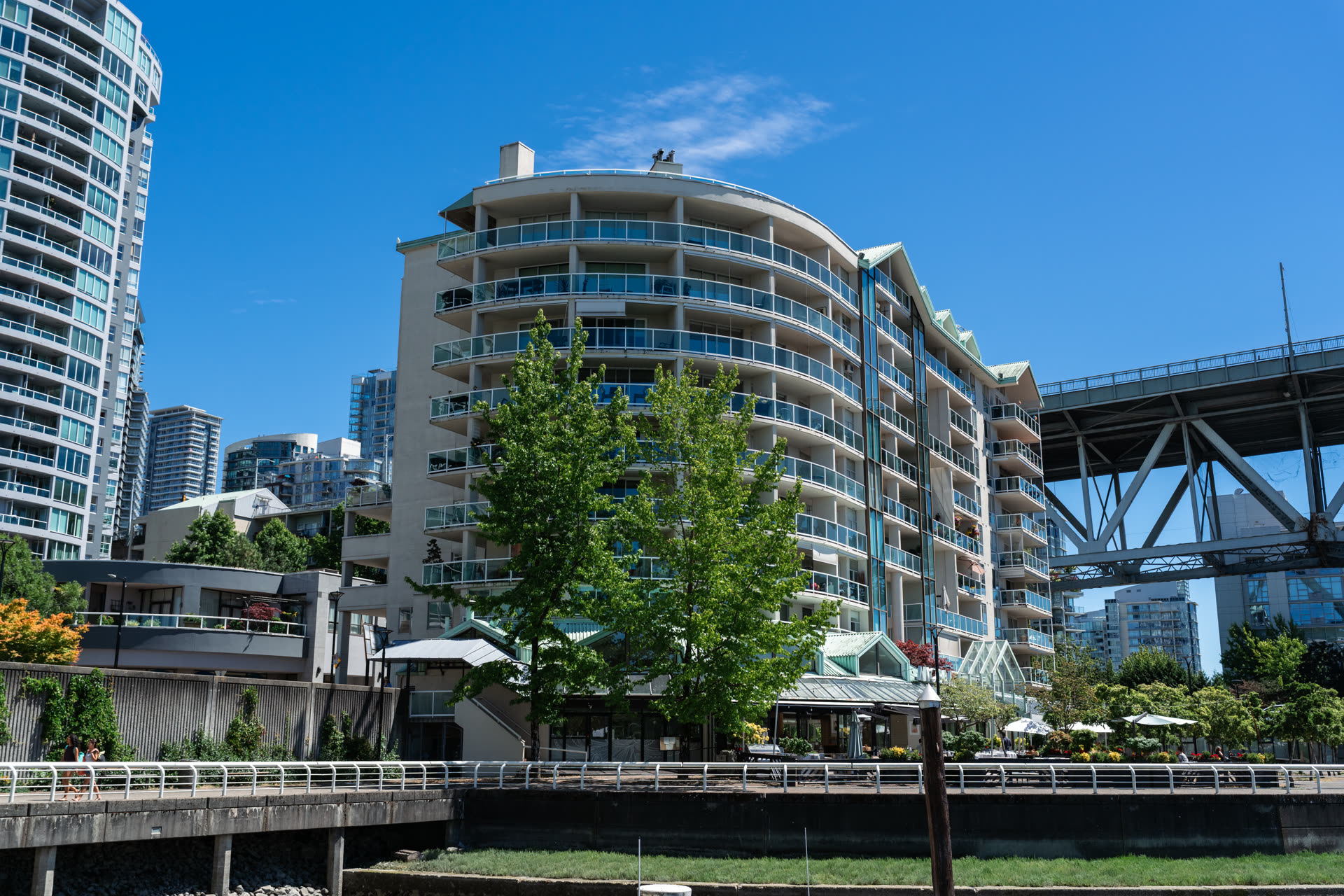
See the full ten-service menu for existing strata properties. Investigations often lead to one of these deeper scopes.
Visit service hub →
Section 94-compliant depreciation reports by a multi-disciplined team. Required every five years under the BC Strata Property Act.
View service →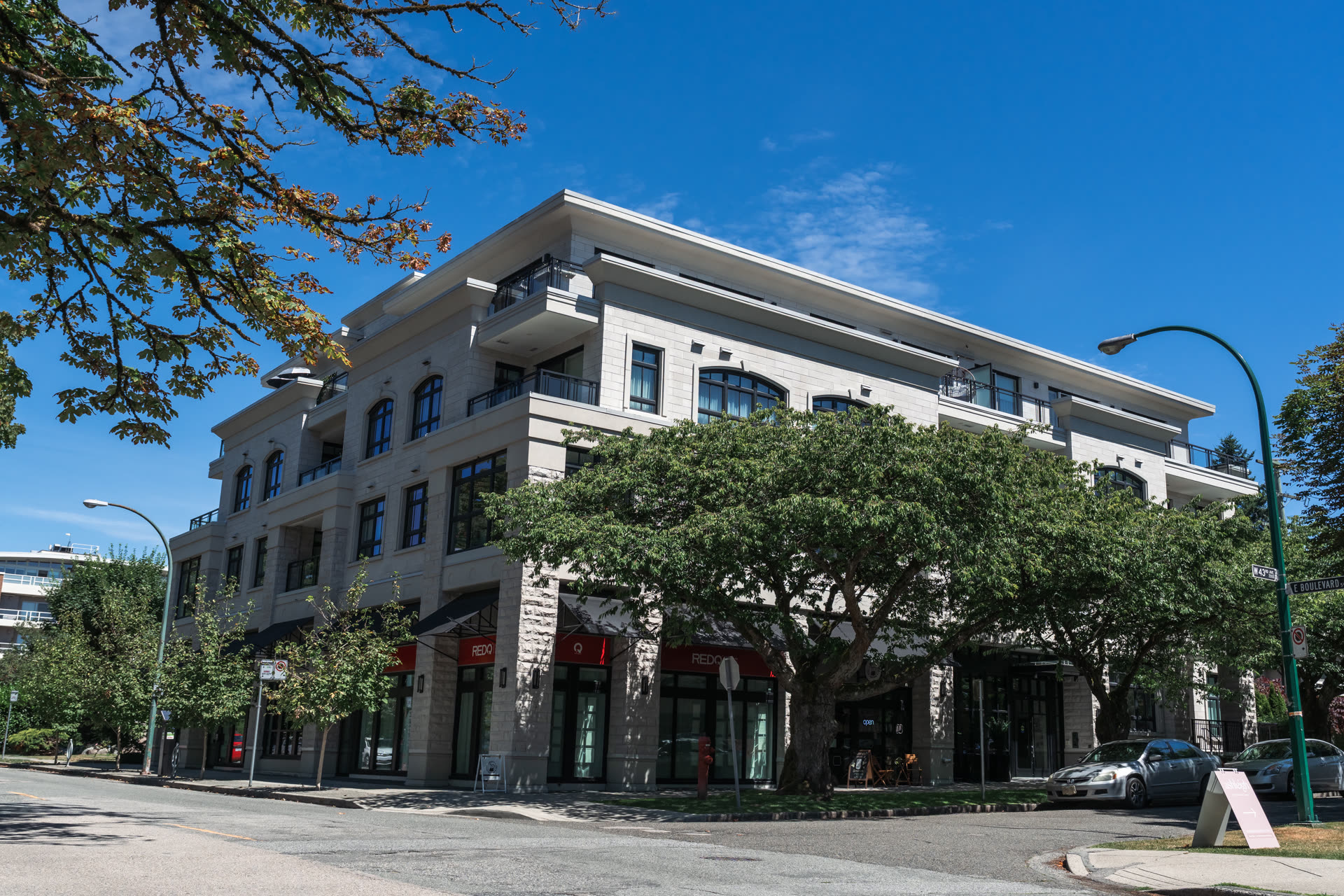
Pre-expiration reviews that surface defects while the builder is still on the hook. Four windows, one chance each.
View service →Next step
Describe what you're seeing: where, when it started, and any photos you have. We'll tell you what discipline applies and give you a fixed-fee quote before you commit to anything.